The way offside is called in UEFA competitions has undergone a quiet but profound transformation over the past few seasons. With semi-automated offside technology (SAOT) now embedded in elite European football, referees and their assistants are operating in a landscape that demands both technical awareness and procedural discipline. Here is what every referee needs to understand about UEFA\\\'s offside technology heading into 2025.
How Semi-Automated Offside Technology Works
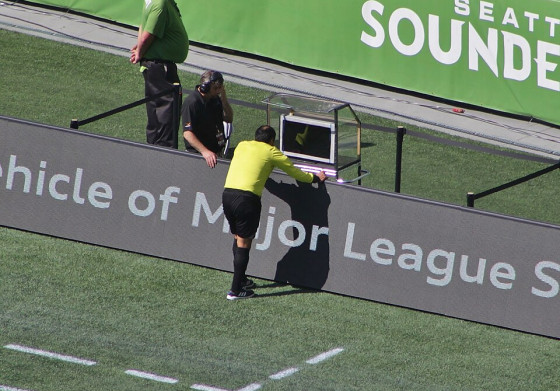
SAOT uses a combination of dedicated tracking cameras and player skeleton modelling to generate near-instant offside decisions. In UEFA competitions using the system — including the UEFA Champions League and UEFA Europa League — up to 29 data points on each player\\\'s body are tracked in real time. When a potential offside phase occurs, the system produces a three-dimensional animation that allows VAR operators to confirm or overturn a call with significantly greater accuracy than manual line-drawing.
The technology was formally integrated into Champions League play from the 2023–24 season onward, and referees such as Szymon Marciniak and Anthony Taylor — both of whom have officiated at the highest UEFA levels — have had to adapt their in-game communication accordingly. The on-field referee is no longer the sole decision-maker in marginal offside situations; they are part of a wider technical ecosystem.
What Changes for On-Field Referees
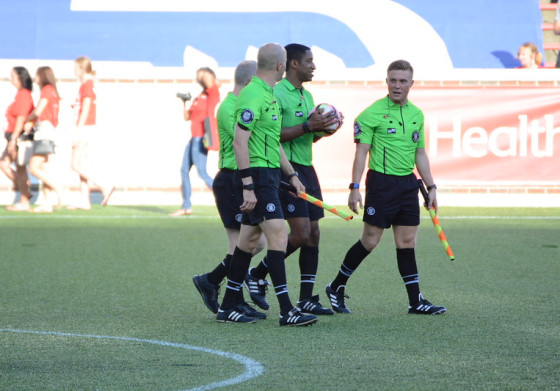
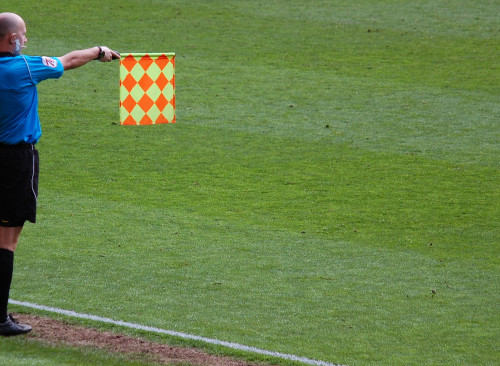
- Delayed flag protocol: Assistant referees are instructed to hold their flags in tight offside situations and wait for the attacking phase to conclude before signalling. This avoids disallowing potential goals before the SAOT review is complete.
- Communication rhythm: Referees must maintain game flow while the VAR room processes SAOT data, which typically takes under 30 seconds for a confirmed call.
- Body language and crowd management: With longer pauses before decisions, referees must manage player and crowd tension calmly and authoritatively.
Key Rule Nuances in 2025
Under IFAB\\\'s Laws of the Game, the offside law itself has not changed — a player remains offside if any part of their body that can legally play the ball is nearer to the opponent\\\'s goal line than both the ball and the second-to-last defender. What SAOT changes is the precision with which that law is applied. Tight shoulder or armpit calls that were previously impossible to verify are now routinely resolved.
Limb Definitions Still Cause Debate
One ongoing discussion among referee educators concerns which body parts are considered in the SAOT model. Hands and arms remain excluded from offside calculations per IFAB rules, but ensuring the skeleton model is calibrated correctly across different player builds remains a technical challenge that UEFA and its technology partners continue to refine.
Looking Ahead
As UEFA expands SAOT to more competitions and potentially lower tiers, referees at all levels should familiarise themselves with the protocol now. Understanding the technology is not just for elite officials — it shapes expectations, player behaviour, and the future of how offside will be managed across the entire game.